
Quantum Performance Inc
  • Home
  • Programs
    • Breakthrough Performance Programs
    • Culture Audit for Breakthrough Performance
    • Total Team Alignment Breakthrough Session
    • Future-Based Breakthrough Strategy Alignment Session
    • Breakthrough Performance Leadership Coaching
    • Total Transformation Breakthrough Process
  • Blog
  • Resources
    • My Book
    • Leadership on a Napkin
    • Leadership Tip of the Week
    • News & Published Articles
    • Case Studies
  • About
    • About Gershon Mader
    • Testimonials
    • Clients
  • Contact
  • Book A Call
  • Click to open the search input field Click to open the search input field Search
  • Menu Menu
The more controlling you are the less control you have

The more controlling you are the less control you have

24 October 2014/in Living Courageously

Most managers who micromanage their employees suppress their spirit and performance.

Employee’s performance is directly tied to their sense of ownership, commitment, and accountability for the success of their organization. Their passion, ownership, commitment and accountability are reduced when they feel distrusted, disrespected and under-valued from a leadership and/or professional standpoint by their manager.

By micromanaging their people, managers generate an environment of compliance and fear. And that typically cause people to play it safe and “cover their behinds” instead of stepping up and going beyond the call of duty to take ownership, risk and initiative.

Managers who are consumed with micromanaging their employees are focused on the wrong things. Instead, they should be providing leadership and confidence to their team by identifying their next strategic objectives, inspiring their employees to take them on, and ensuring that the organization has the wherewithal to execute them.

In fact, micromanagement puts in motion a self-fulfilling prophecy: The manager relates to his people as uncommitted, incompetent and/or unreliable. The people in turn play it safe and don’t take ownership, risk and accountability. This confirms the manager’s view and he continues to micromanage.

The issue lies with the manager. Most managers who micromanage and control their people do it beause of their own insecurity and fear of failure, and not because their employees are ,in fact, incompetent or uncommitted.

In order to strike the appropriate balance between being on top of things and not hovering over their people, managers must put the following building blocks in place and manage them effectively:

  •  They must build a team that they trust in terms of commitment and competency. And they must establish a dynamic of authentic, honest and courageous communication within their team.
  • They must align their team members around their vision of the future – a clear vision and/or set of objectives that all team members clearly understand and are on the same page about; a future that everyone feels genuinely passionate about, committed to and accountable for, as their own.
  • They must orient their team members around results and deliverables rather than tasks and activities in order to build an environment of real accountability (accountability can only exist when there are clear measurable results to manage).
  • They must ensure that roles, accountabilities, expectations and processes are completely clear to all team members, in order to eliminate the chance of ambiguity, excuses or mischief in this regard.
  • Lastly, they must put in place a simple and effective mechanism and process for tracking all key commitments, deliverables and promised results on a monthly and quarterly basis in order to eliminate confusion or lack of accountability. They should structure their executive team as the cabinet accountable for the achievement of the collective future (not just ‘each to their own’), hence dedicate monthly or quarterly team meetings to track and review progress.

If someone is not performing up to an agreed-upon standard or expectation, managers must be willing to have a straight and honest conversation that either elevates the individual to a higher level of performance, or makes it clear that someone else needs to be brought in to do the job.

If the manager has built a strong team dynamic of honest communication and authentic ownership toward his future there will be no need for micromanagement because his team members will be operating in a very powerful and responsible way toward making results happen.

In the absence of real ownership and honesty no amount of micromanagement will be effective anyway.
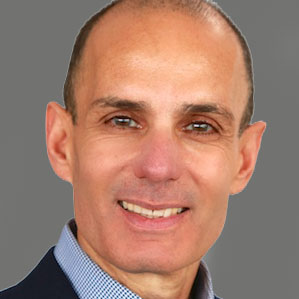

Gershon Mader

Founder and President of Quantum Performance Inc., a management consulting firm specializing in generating total alignment and engagement in organizations.

His work has encompassed a broad range of industries including banking, telecommunications, manufacturing, entertainment, real estate, retail, startups and non-profits.

Tags: Control, honesty, micromanage, ownership
Share this entry
  • Share on Facebook
  • Share on X
  • Share on WhatsApp
  • Share on LinkedIn
  • Share on Reddit
  • Share by Mail
https://quantumperformanceinc.com/wp-content/uploads/2014/10/mixing-desk_GkGBQBcu.jpg 3089 4000 gmader https://quantumperformanceinc.com/wp-content/uploads/2026/06/QPI-Logo-200px.png gmader2014-10-24 04:45:292016-04-20 18:33:23The more controlling you are the less control you have
You might also like
Ownership: The Key to Transforming Your Team or Organization Ownership: The Key to Transforming Your Team or Organization
Blunt honesty is the right approach both in business and at home. Brutal honesty is not enough.
Blunt honesty is the right approach both in business and at home. Blunt honesty is the right approach both in business and at home.
If you want to have power, take ownership If you want to have power, take ownership
0 replies

Leave a Reply

Want to join the discussion?
Feel free to contribute!

Leave a Reply Cancel reply

Your email address will not be published. Required fields are marked *

Latest Posts

  • You’re looking in the wrong place: Here’s what’s really causing your performance problems
  • The Slogan Was Still Alive, the Culture Was Already Dead
  • The Conversation Your Team Is Waiting for You to Start
  • The Nod That’s Killing Your Organization
  • The Frozen Middle Didn’t Freeze Itself

Sign-up for my blogs

Be in the know – receive my latest blog, updates and leadership insights and inspiration straight to your inbox.
* = required field
I'd like to subscribe to the

By subscribing, you are agreeing to receive my regular newsletter via email.  You can unsubscribe at any time using the link provided in the emails sent.

Categories

  • Coaching
  • Communication
  • Employee Engagement
  • Leadership Development
  • Living Courageously
  • Organizational Culture
  • Productivity
  • Strategic Commitment
  • Strategic Planning
  • Team Building

MY BOOK

The Power of Strategic Commitment
X Logo X Logo Followon X RSS Feed Logo RSS Feed Logo Subscribeto RSS Feed

Contact

Gershon Mader

M: +1 (416) 716-4112
E: gmader@quantumperformanceinc.com

Sign-up to my weekly insights

Subscribe to my Substack for deeper leadership insights, transformation stories, and fresh thinking shared throughout the week.

Follow us on Social Media
xyoutubelinkedinmediumsubstack
© Copyright - Quantum Performance Inc / Gershon Mader | Privacy Policy | Website by Creative Control
Link to: If you want your strategy to work, don’t underestimate the critical role of middle managers Link to: If you want your strategy to work, don’t underestimate the critical role of middle managers If you want your strategy to work, don’t underestimate the critical role of...If you want your strategy to work, don’t underestimate the critical role of middle managers Link to: Become attached to your future, not your past Link to: Become attached to your future, not your past Become attached to your future, not your pastBecome attached to your future, not your past
Scroll to top Scroll to top Scroll to top