
Quantum Performance Inc
  • Home
  • Services
    • Services Overview
    • Generating TOTAL Ownership, Alignment & Engagement
    • Culture Analysis
    • Strategy Development
    • Building High Performance Teams
    • Executive Coaching & Leadership Development
    • Supporting Merger & Acquisition Integration
  • About
    • About Gershon Mader
    • Testimonials
    • Clients
  • Blog
  • Resources
    • My Book
    • Leadership on a Napkin
    • Leadership Tip of the Week
    • News & Published Articles
    • Case Studies
  • Contact
  • Click to open the search input field Click to open the search input field Search
  • Menu Menu
Stop the Passive Aggressive Behavior

Stop the Passive Aggressive Behavior

20 February 2015/in Coaching

In most organizations, passive aggressive behavior is rampant.

The dictionary defines passive aggressive as: a type of behavior or personality characterized by indirect resistance to the demands of others and an avoidance of direct confrontation, as in procrastinating, pouting, or misplacing important materials.

In reality, passive aggressive behavior is actually much worse than this definition suggests.

Typical passive aggressive behavior happens in environments where people don’t feel they can fully express their feelings and thoughts–especially the negative ones. So, instead of communicating openly, authentically, courageously and effectively, people tend to pretend that everything is going well, even when they really feel the opposite – irritated, upset and/or angry about what is going on.

They say the positive, politically correct things out loud in the most positive, politically correct and “respectful” manner. But inside, they feel otherwise. This dissonance between the spoken and unspoken conversations creates tension, stress and awkwardness and people often feel they have to walk on eggshells around each other.

Because people who are behaving in a passive aggressive manner make such a big effort to appear as if they are positive about things, they often feel no one is noticing that they are inauthentic. However, for the most part, everyone around them sees through their behavior.

In a passive aggressive environment, the problems go beyond simply walking on eggshells. People also become reluctant and afraid to push back on sensitive topics, address conflict or hold each other accountable for behaviors and performance. People often say “yes” to things and then pay lip service to these. As a result productivity is significantly compromised and undermined.

Some people behave in a passive aggressive manner because they are afraid of their own volatile reactions to challenging situations. They don’t trust their ability to communicate effectively, especially when it comes to conveying criticism and disagreement. They fear that if they really express themselves, especially their frustration and anger, it will get out of hand. Others are afraid that if they fully expressed themselves they’ll get into trouble with their superiors and as a result their career will suffer. So, people simply avoid conflict and don’t say what is really on their mind. This only perpetuates and fuels the source of the passive aggressive behavior. I see this dynamic at all levels of all companies that I am exposed to.

Pent up emotions, frustrations and unexpressed communications are like bottled energy. Eventually, this energy must be released. The more it stays bottled up, the more likely it is to explode when triggered. This often happens at the most inappropriate times, in the most unproductive ways. When people “lose it,” it usually creates damage beyond proportion.

Other avenues of release for the unexpressed feelings are gossip and background noise. As we all know there is a lot of this going on in most organizations. People say one thing in public and another in the conversations around the cooler. And, again, that dissonance hurts organizational spirit, trust and performance.

So, how do you stop it?

Given that passive aggressive behavior lives in communication, it has to be transformed in communication. This requires leadership, ownership, commitment and courage, first by the leaders and managers.

If leaders are willing to create an open, honest environment for communication where people can fully communicate and express their views, they can stop the passive aggressive behavior. But it has to start with them.

However, if leaders are too afraid to be vulnerable, or they don’t trust themselves to create a more powerful and authentic space of communication around them, or they are simply too caught up in the passive aggressive behavior themselves, nothing will change. In fact, they will continue to be a part of the problem.

They will most likely continue to hide behind their title and authority in order to avoid hearing bad news or criticism, especially about them selves. By doing that they will perpetuate the issues and drive their team to more passive aggressive behavior.

Individual team members can also transform passive aggressive dynamics with other individuals, independent of their leaders and managers. They too have to behave with courage and commitment. They could show up as genuinely open to feedback, coaching and open, honest, authentic and courageous dialogue by enrolling and engaging others to always interact with them that way.

The more trust people create with others around them, the less passive aggressive behaviors will take place.

A manufacturing plant supervisor I worked with once told me: “I make sure to have lunch with my people every day, because people don’t screw someone they have lunch with.”
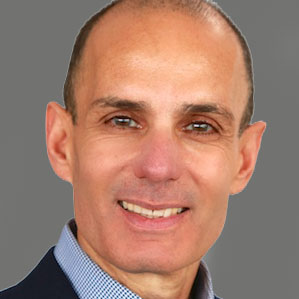

Gershon Mader

Founder and President of Quantum Performance Inc., a management consulting firm specializing in generating total alignment and engagement in organizations.

His work has encompassed a broad range of industries including banking, telecommunications, manufacturing, entertainment, real estate, retail, startups and non-profits.

Tags: agressive, behavior, communication, emotions, leaders, passive
Share this entry
  • Share on Facebook
  • Share on X
  • Share on WhatsApp
  • Share on LinkedIn
  • Share on Reddit
  • Share by Mail
https://quantumperformanceinc.com/wp-content/uploads/2015/02/passive-agressive.jpg 321 845 gmader https://quantumperformanceinc.com/wp-content/uploads/2026/06/QPI-Logo-200px.png gmader2015-02-20 06:57:262016-04-19 19:54:12Stop the Passive Aggressive Behavior
You might also like
Five Necessary Areas of Improvement for Your Team Five Necessary Areas of Improvement for Your Team
Generating Breakthroughs in Challenging Relationships (Part 4): Rules of Future Engagement Generating Breakthroughs in Challenging Relationships (Part 4): Rules of Future Engagement
Generating Breakthroughs in Challenging Relationships (Part 3): Starting From Scratch Generating Breakthroughs in Challenging Relationships (Part 3): Starting From Scratch
Just do it Just do it
Generating Breakthroughs in Challenging Relationships (Part 2): Zeroing Out the Past Generating Breakthroughs in Challenging Relationships (Part 2): Zeroing Out the Past
Agreeing to disagree is always a cop-out Agreeing to disagree is always a cop-out!
0 replies

Leave a Reply

Want to join the discussion?
Feel free to contribute!

Leave a Reply Cancel reply

Your email address will not be published. Required fields are marked *

Latest Posts

  • The Slogan Was Still Alive, the Culture Was Already Dead
  • The Conversation Your Team Is Waiting for You to Start
  • The Nod That’s Killing Your Organization
  • The Frozen Middle Didn’t Freeze Itself
  • The moment a room changes

Sign-up for my blogs

Be in the know – receive my latest blog, updates and leadership insights and inspiration straight to your inbox.
* = required field
I'd like to subscribe to the

By subscribing, you are agreeing to receive my regular newsletter via email.  You can unsubscribe at any time using the link provided in the emails sent.

Categories

  • Coaching
  • Communication
  • Employee Engagement
  • Leadership Development
  • Living Courageously
  • Organizational Culture
  • Productivity
  • Strategic Commitment
  • Strategic Planning
  • Team Building

MY BOOK

The Power of Strategic Commitment
X Logo X Logo Followon X RSS Feed Logo RSS Feed Logo Subscribeto RSS Feed

Contact

Gershon Mader

M: +1 (416) 716-4112
E: gmader@quantumperformanceinc.com

Sign-up to my weekly insights

Subscribe to my Substack for deeper leadership insights, transformation stories, and fresh thinking shared throughout the week.

Follow us on Social Media
xyoutubelinkedinmediumsubstack
© Copyright - Quantum Performance Inc / Gershon Mader | Privacy Policy | Website by Creative Control
Link to: You can promise the uncertain Link to: You can promise the uncertain You can promise the uncertainYou can promise the uncertain Link to: Bring your full self-expression to work Link to: Bring your full self-expression to work Bring your full self-expression to workBring your full self-expression to work
Scroll to top Scroll to top Scroll to top

This site uses cookies. You can choose to accept, decline the use of cookies or select the ones you accept by selecting Settings.

Accept cookies settingsDo not allow cookiesOptions

Cookie and Privacy Settings


How we use cookies

We may request cookies to be set on your device. We use cookies to let us know when you visit our websites, how you interact with us, to enrich your user experience, and to customize your relationship with our website.

Click on the different category headings to find out more. You can also change some of your preferences. Note that blocking some types of cookies may impact your experience on our websites and the services we are able to offer.

Essential Website Cookies

These cookies are strictly necessary to provide you with services available through our website and to use some of its features.

Because these cookies are strictly necessary to deliver the website, refusing them will have impact how our site functions. You always can block or delete cookies by changing your browser settings and force blocking all cookies on this website. But this will always prompt you to accept/refuse cookies when revisiting our site.

We fully respect if you want to refuse cookies but to avoid asking you again and again kindly allow us to store a cookie for that. You are free to opt out any time or opt in for other cookies to get a better experience. If you refuse cookies we will remove all set cookies in our domain.

We provide you with a list of stored cookies on your computer in our domain so you can check what we stored. Due to security reasons we are not able to show or modify cookies from other domains. You can check these in your browser security settings.

Google Analytics Cookies

These cookies collect information that is used either in aggregate form to help us understand how our website is being used or how effective our marketing campaigns are, or to help us customize our website and application for you in order to enhance your experience.

If you do not want that we track your visit to our site you can disable tracking in your browser here:

Other external services

We also use different external services like Google Webfonts, Google Maps, and external Video providers. Since these providers may collect personal data like your IP address we allow you to block them here. Please be aware that this might heavily reduce the functionality and appearance of our site. Changes will take effect once you reload the page.

Google Webfont Settings:

Google Map Settings:

Google reCaptcha Settings:

Vimeo and Youtube video embeds:

Other cookies

The following cookies are also needed - You can choose if you want to allow them:

Privacy Policy

You can read about our cookies and privacy settings in detail on our Privacy Policy Page.

Privacy Policy
Accept settingsHide notification only